Minneapolis Connects: primary election voting, funding for community projects and exciting summer events

Having trouble viewing this email? View it as a Web page.
July 31, 2026
Make a plan to vote: Minnesota primary election is Aug. 11
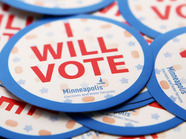
Whether you’re voting early by mail, voting early in person or voting at your polling place on Election Day Aug. 11, make your plan to vote in the primary this year.
Check if you’re registered to vote. If you need to register when you vote, see what to bring.
Voting early in person
The Early Vote Center at 980 E. Hennepin Ave. is now open 8 a.m.-6 p.m. Monday-Friday and 9 a.m. - 3 p.m. on weekends during new extended hours.
Find times, locations, services and what to expect.
Vote by mail
Voters who applied for mail-in ballots should allow up to seven days for their ballot to arrive and plan an equal number of days for returning the completed ballot. All mail ballots need to be received by Election Day, Tuesday, August 11, to count.
Voters can also mail or drop off their ballot.
Find more details about voting on the City website.
Voting on Election Day
Check the online polling place finder to confirm your Election Day polling place location.
Learn more about voting, and make your plan.
How community members can help
We can all support our community around the election. Find ideas on the City website and share them with your neighbors.
Funding available for community projects
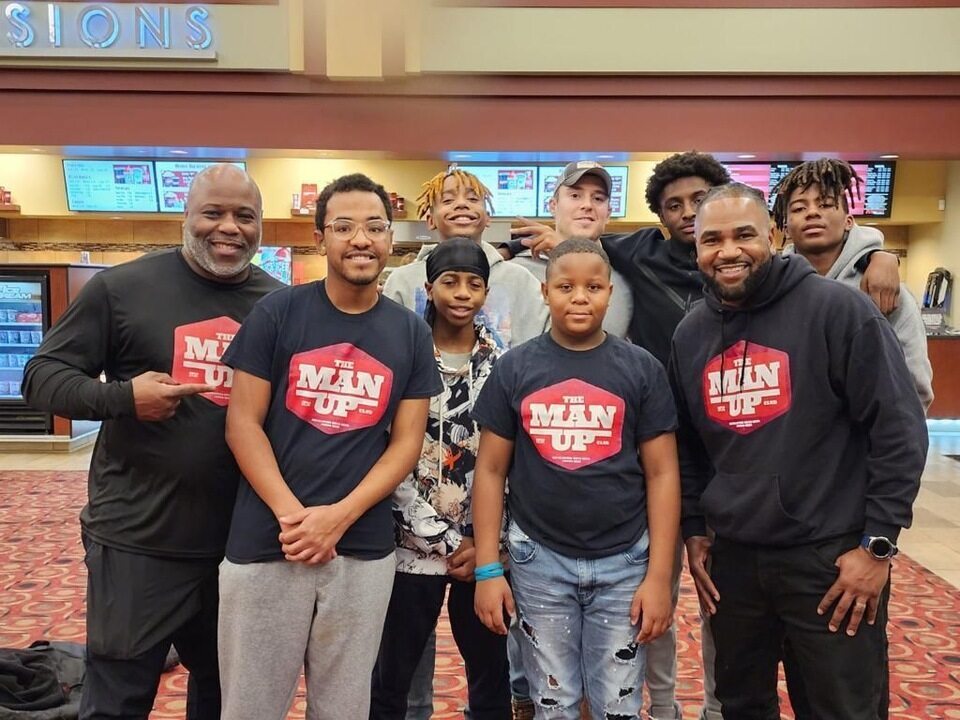
The City's Partnership Engagement Fund is now open for applications. Community organizations, groups and individuals can apply for funding for small-scale, meaningful projects to make Minneapolis communities more socially connected, healthy and safe.
To start the process, send in your short interest form by Aug. 21.
Previous community projects have included youth mentorships, public events, garden infrastructure, civic leadership development, entrepreneurship training, addressing health disparities, employment support, youth peace building, corridor development, resource support for unsheltered neighbors, community building, youth media and storytelling, arts programming and placemaking.
Learn more on the City website.
Online information session
You can watch a recorded webinar about how to apply on the Partnership Engagement Fund City webpage.
Get important updates at the Twin Cities immigration forum
The City of Minneapolis Office of Immigrant and Refugee Affairs (OIRA) in partnership with the City of Saint Paul Immigrant and Refugee Program hosts a biweekly immigration forum to offer immigration-related updates to the community.
The topics covered include:
- Federal immigration news and resources.
- Lawsuits and court decisions.
- City, community and advocacy organization updates.
- Other topics important to immigrant, refugee and new American communities.
Find dates on the OIRA events calendar.
Email us to get a link to the meeting series.
Learn more at minneapolismn.gov/oira.
Neighborhood organization job opportunity
East Bank Neighborhoods Partnership is hiring a community outreach and engagement coordinator. Read the full position description on the East Bank Neighborhoods website.
Honoring Disability Pride Month

July is the 11th anniversary of Disability Pride Month. The month promotes the talents and experiences of people with disabilities. It acknowledges their strength against hate and harm, and it honors solidarity across disabilities.
Disability Pride flag
The Disability Pride flag’s dark gray background refers to mourning for people who have died because of ableism, eugenics, violence and negligence.
Five diagonal colors — red, yellow, white, blue and green — each represent different disability groups.
The Americans with Disabilities Act (ADA) turned 36 on July 26
July was the 36th anniversary of the ADA. The ADA was signed into law on July 26, 1990, and is the civil rights law for those with disabilities barring discrimination in most areas of life.
To learn more about the ADA, Disability Pride Month and how the City is promoting greater digital and physical accessibility, reach out to Guthrie Byard, Community Specialist – People with Disabilities, at guthrie.byard@minneapolismn.gov.
Planning for our city’s future
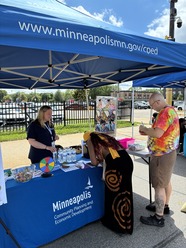
The City of Minneapolis is beginning work on our next comprehensive plan. The plan is called Minneapolis 2050. It will guide how the city will meet the needs of people who live in, work in and visit Minneapolis.
Learn more about comprehensive plans.
To gather feedback from community during Phase 1 (summer-fall 2026), the City will:
- Explain the comprehensive plan, its purpose and how the process works
- Involve the public in identifying important priorities and issues, which will inform the plan’s goals and vision
To reach communities during Phase 1, the City will focus on:
- Tabling at community festivals such as Somali Independence Day
- Online engagement, including a StoryMap and survey
- Targeted conversations with cultural communities
- A toolkit for neighborhood groups
At the end of 2026, the City Council and mayor will adopt the plan’s vision statement and goals.
Join the mailing list to get updates about how to get involved.
Minneapolis Democracy Center: From former precinct to future civic hub
The City of Minneapolis is moving forward with plans for the new Minneapolis Democracy Center, transforming the building at 3000 Minnehaha Ave., the former headquarters for MPD's 3rd Precinct, into a dedicated location for civic engagement and community access. The building's designs are now finalized. New renderings offer a first look at how this modernized site, which was damaged during the civil unrest in 2020, will take on a new purpose to serve voters, support community use and create a welcoming civic hub.
Next up
To move this vision forward, construction bidding will take place this summer to select a contractor. Visible construction will likely begin in the fall.
Community partner space
The Minneapolis Democracy Center will include a dedicated community space to support connection, bring access to resources and contribute to the vibrancy of the neighborhood.
A call for proposals is intended to be issued this fall.
Stay updated on progress and opportunities get involved
Visit the Minneapolis Democracy Center webpage.
Sign up for Minneapolis Democracy Center updates.
Community impacts from Operation Metro Surge
Operation Metro Surge caused widespread harm across Minneapolis.
The City’s updated Impact Assessment estimates nearly $700 million in impacts to the Minneapolis community and City government operations.
The assessment shows how Operation Metro Surge affected people’s ability to work, go to school, access food and health care, stay housed, seek legal protection and feel safe in daily life.
This builds on earlier findings about livelihood, shelter, health and food security. It adds new information about protection and youth and education.
Learn more about the community impacts from Operation Metro Surge.
Minneapolis Forward: Supporting the amazing resilience of our community
The City is committed to helping Minneapolis move forward together — no matter the challenges that come our way.
During Operation Metro Surge, our communities — especially immigrant, refugee and cultural communities — experienced real harm. Many people lost jobs, had reduced work hours or shut down businesses. Others felt fear and stress that kept them away from daily life, school, work and public spaces.
In response, the City is working to better understand impacts and invest in resources where help is needed most.
Minneapolis Forward is the City’s effort to boost economic resurgence and community cohesion across Minneapolis in the aftermath of Operation Metro Surge. Through direct funding, partnerships and community-led work, we are helping businesses get back on their feet, connecting families with resources and bringing energy back to neighborhoods and cultural areas.
These efforts are already showing up in many ways across the city:
- The Small Business Resiliency Fund provides direct financial relief and activation funding to help support economic stability as businesses and commercial districts regain their footing.
- We are helping residents who are at risk of eviction with emergency rental assistance, which can be accessed through our community partners.
- We’ve increased funding in programs that provide direct support to our residents and businesses, including:
- An additional $500,000 in the City’s Business and Technical Assistance Program (BTAP), which offers no-cost consulting services to small businesses. Connect with BTAP for free help.
- An additional $500,000 into our immigration legal services program, which is accessible at no cost to residents. This addressed the rapidly growing demand and continued need for legal representation and assistance for residents who faced detention, sudden loss of income and documentation. Find links to our community partners for free legal help.
This work builds on the strength, resilience and connection Minneapolis community members showed during the crisis this winter. Together, we are focused on creating real, lasting progress across our city.
Highlighting summer opportunities for connection and community
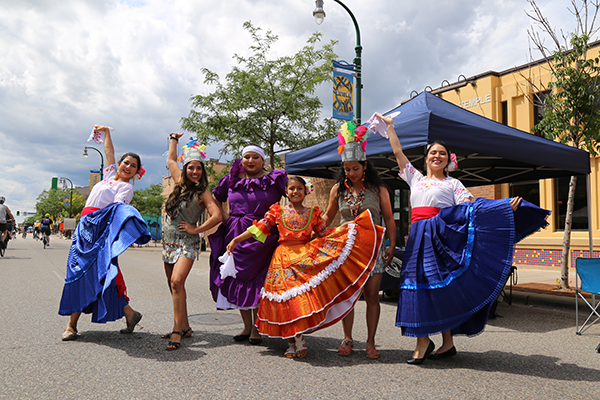
Don’t miss out on our city’s energy, connection and community this season.
This summer, Minneapolis Forward is shining a spotlight on the festivals, block parties, art openings, cultural celebrations and neighborhood events bringing people together across our city. We'll be highlighting events that showcase the energy and momentum happening in every corner of Minneapolis.
Follow the Minneapolis Forward webpage and the City’s social media channels for weekly event highlights, neighborhood spotlights and opportunities to explore Minneapolis.
If you're looking to create your own event, there's no better time than now. We are making it easier to host events this year by waiving permit fees, and we can help you get started.
See what’s happening this week on the City website.
Follow the City on Instagram, Facebook or TikTok.
Shop, connect and celebrate Black businesses this Saturday

August is National Black Business Month. Join the Black Business Summit + Market at The Northside Epicenter on Saturday, Aug. 1, from 10 a.m. to 4 p.m.
The community celebration will feature more than 20 Black-owned businesses, food trucks, activities and community resources. Attendees can also take part in free herbal education classes and get a free haircut at the on-site barber shop.
From noon to 2 p.m., the Black Business Summit Pitch Competition will spotlight entrepreneurs as they pitch their businesses and ideas for a chance to win one year of free office space at the Northside Epicenter.
Whether you're looking to shop local, connect with resources or celebrate Black entrepreneurship in Minneapolis, there are plenty of ways to get involved.
Find out more on the City website.
Celebrate community at Aug. 8 cookout
Join neighbors from across the city at the “Southside, We Outside” community cookout, a free, family-friendly public event at Washburn High School in Ward 11. Celebrate summer on the Southside, connect with elected officials and community resources, and enjoy food, games, a bouncy house and other festivities.
Southside, We Outside
Noon-4 p.m. Saturday, Aug. 8
Washburn High School Field
This event is free and open to the public, with tabling opportunities available for community groups. For details and to RSVP, please email ward11@minneapolismn.gov. RSVPs are not required but are appreciated.
City of Minneapolis Open Streets returns this fall
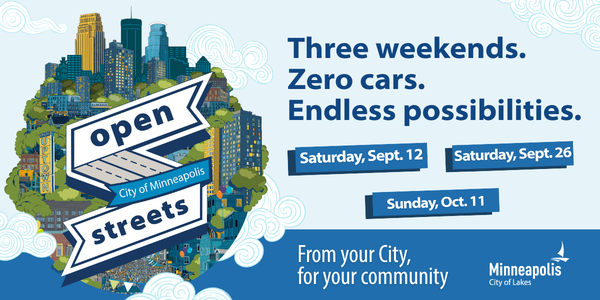
The City’s Open Streets events are back in 2026 with three car-free community celebrations that will transform major corridors into spaces for neighbors to gather, explore local businesses and enjoy entertainment and activities.
This year's events will take place on:
- Sept. 12: West Broadway, hosted by the West Broadway Business & Area Coalition
- Sept. 26: Nicollet Avenue and Riverside Avenue, hosted by the Lyndale Neighborhood Association
- Oct. 11: Hennepin Avenue, hosted by the Uptown Association
In 2025, the City’s Open Streets events attracted an estimated 120,000 attendees citywide. More event details will be announced in the coming months.
Learn more about the City of Minneapolis Open Streets events.
Pet adoption fees waived Aug. 7

The City’s animal shelter has plenty of four-legged friends available for adoption, and there are no adoption or licensing fees Aug. 7.
Normally, Minneapolis residents pay no adoption fees for cats or adult dogs but $250 for dogs 6 months and younger. Non-residents normally pay an adoption fee up to $250 for dogs and $25 for cats plus tax for any of the pets. Licensing fees also typically apply.
The City provides daily care, shelter and adoption services for animals in Minneapolis. We have about 75 animals in our care right now. Every adoption creates space for another animal in need. We’re open six days a week for adoptions and have a constantly changing selection of pets rescued in your community, cared for by your City.
Adoptable cats and dogs are already spayed or neutered, vaccinated and microchipped. MACC Pack, Minneapolis Animal Care & Control’s nonprofit partner, will be covering all adoption and licensing fees.
No adoption fee event
Take the time to meet and fall in love with the pet that’s right for you.
Noon-5 p.m.
Friday, Aug. 7
Find adoptable pets on the City website.
City assessors reviewing properties this summer
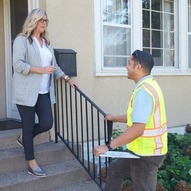
The State of Minnesota requires us to review all City properties once every five years. Our assessors will be out doing reviews through mid-September. We'll be wearing yellow vests and have City identification.
That means we need to review about 26,000 properties a year to:
- See if and how the property has changed in the last five years
- Record those changes
- Update the property's estimated market value to reflect those changes
See yearly neighborhood review map
Learn more about reviews and how to recognize a City assessor
City, multiple agencies tackle increased enforcement on open-air drug markets
In July, the City of Minneapolis, in partnership with park, county and transit agencies, announced a coordinated effort to increase enforcement on open-air drug markets operating in the city. In addition, several indigenous organizations are partnering with the City to strengthen the commitment to enhanced public safety, while expanding opportunities for healing and recovery throughout Minneapolis.
Learn more about this coordinated effort on the City website.
Addiction resources
This increased effort does not negate resources and services for people struggling with addiction.
The City’s Homeless Response Team will continue daily efforts at all sites, offering shelter, treatment and services. The commitment remains to building relationships with a human-centered, compassionate approach.
The City’s Health Department will also continue to deploy the Mobile Medical Unit (MMU) to provide opioid addiction resources, health care check-ups and more. Find detailed information about the MMU on the City website, including how to request a visit in your neighborhood and a calendar of upcoming locations throughout the city.
Three NARCAN vending machines in the city have distributed more than 11,000 life-saving doses to date.
Minneapolis Connects is published by the City of Minneapolis Neighborhood and Community Relations Department (NCR).
For questions, accommodations or alternative formats, please contact Neighborhood and Community Relations at 612-673-3737 or email us at ncr@minneapolismn.gov. People who are deaf or hard of hearing can use a relay service to call 311 agents at 612-673-3000.
Para ayuda, llame al 311 • Rau kev pab, hu 311 • Hadii aad caawimaad u baahantahay, wac 311.
This email was sent to news+ward3@subdavis.com using Granicus Communications Cloud on behalf of: City of Minneapolis · 707 17th St, Suite 4000 · Denver, CO 80202